

by Dinah A. Koehler, PhD After winter Storm Blair blew through the Midwest this January, businesses in Kansas, Kentucky, West Virginia, Virginia, and Arkansas suffered significant disruption. Over 86% of businesses affected by the storm in these states reported weather-related monetary losses to the Census Bureau’s BTOS survey. In Nebraska 88% of businesses exposed to […]
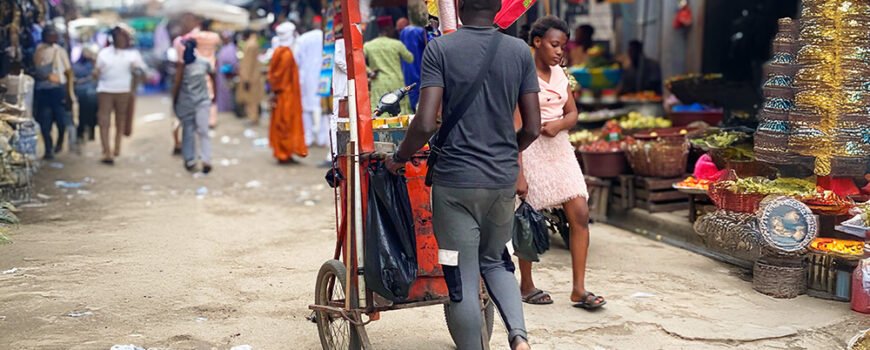
For Canadian businesses with global development ambitions, Africa presents significant commercial opportunities. After years of polite distance, Canada has dusted off its foreign engagement playbook with its 2025 Africa Strategy. It’s not just aid this time – it’s trade, it’s investment, it’s institutional finance. The tone has shifted from “how can we help” to “how[…..]
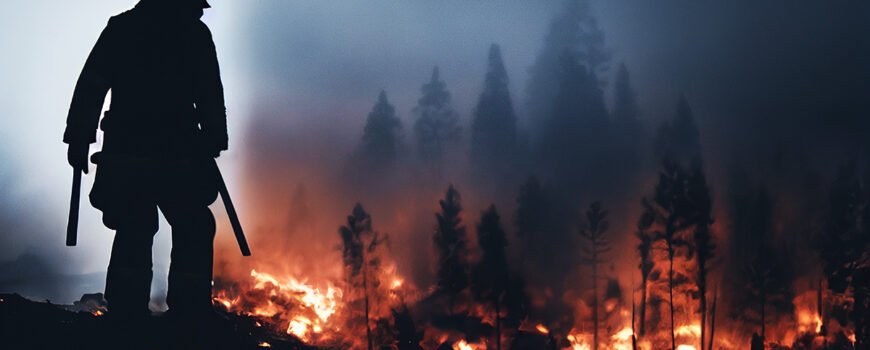
by Dr. Dinah Koehler Widespread backtracking on climate change mitigation increases risk to businesses. The business impacts of extreme weather are already visible in real-time data, available to businesses today. Wildfire risk now affects one in six Americans, according to First Street Foundation. In 2024, billion-dollar severe weather events were heavily concentrated in the Midwest[…..]

by Dr. Dinah Koehler At this year’s NYC Climate Week, I felt both energized by the scale of participation and burdened by the nagging sense of inertia that has plagued climate action for decades. The excitement in the air is tangible, but there’s also the risk of getting swept up in the frenzy or bogged[…..]